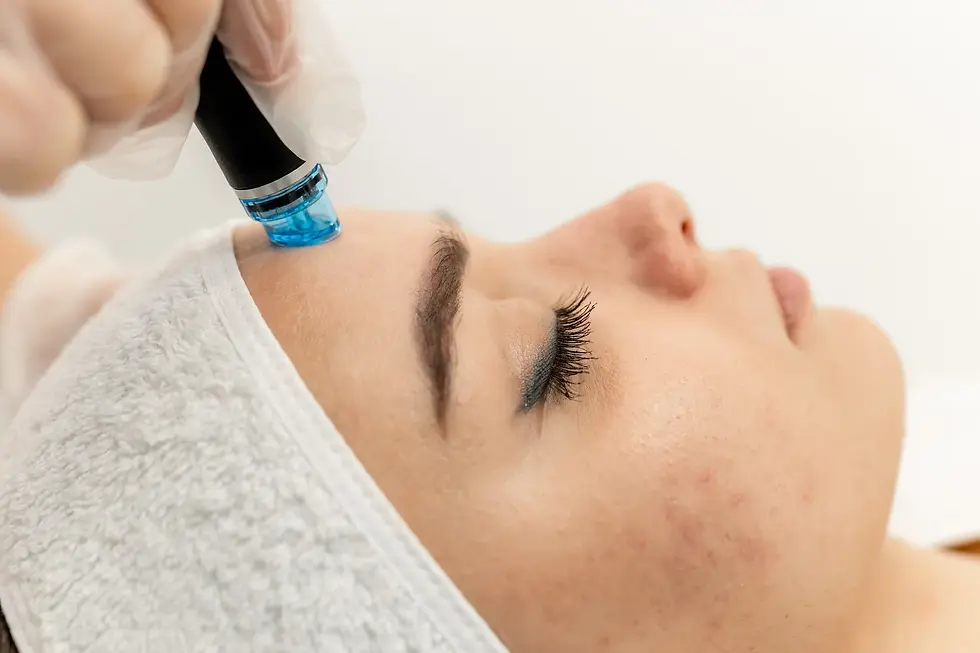
Is Scar Camouflage Permanent? What Every Client Should Know Before Booking

Almost every week, someone walks into a paramedical studio, points to a spot on their skin, and asks the same question: "If I do this, will it last forever?"
It's one of the most important questions to ask - because it shows the person is thinking seriously about their skin, not just chasing a quick fix. And it deserves an honest, complete answer.
The short version? Scar camouflage is long-lasting, but it is not truly "permanent" in the way most people imagine. The longer version - the one that actually helps you make a good decision - is what the rest of this guide is about.
If you'd rather talk it through directly, you can always book a consultation or reach out to the OM Spa studio in Chicago. But it's worth reading on first, because an informed client is always a happier client.
First, What Scar Camouflage Actually Is
Scar camouflage - sometimes called paramedical camouflage tattooing or skin re-pigmentation - is a specialized technique in which custom, flesh-toned pigment is deposited into scar tissue to help it blend with the surrounding skin. The goal isn't to "erase" a scar (no honest professional can promise that). The goal is to make it far less noticeable, so it stops being the first thing you - or anyone else - notices.
It's used for a wide range of concerns: surgical scars, hypopigmented (lighter-than-your-skin) scars, stretch marks, self-harm scars that clients want softened, and skin conditions like vitiligo. It lives under the larger umbrella of paramedical tattoo services, which also includes work like 3D areola and nipple restoration and vitiligo and skin camouflage.
You can read more about the specific technique on the scar and stretch mark camouflage page. But the "how it works" is what explains the "how long it lasts" - so it's worth connecting the two.
So, Is It Permanent? The Honest Answer
The truth is this: scar camouflage is semi-permanent. The pigment is designed to fade gradually over time, and that's actually by design - not a flaw.
The reason comes down to biology. Skin is a living, renewing organ. Every single day, the body sheds old skin cells and produces new ones. On top of that, the immune system slowly identifies pigment particles as "foreign" and gently breaks them down and carries them away. Sunlight adds to this by breaking down pigment molecules even faster. None of these processes stop just because beautiful work has been done - which means the color you leave with will soften over the years.
This is the same principle behind why cosmetic tattooing on the face fades, too. It's covered in more detail in the post on whether permanent makeup fades, and the biology carries over directly to body work.
So how long does scar camouflage typically last? For most clients, results are enjoyed for roughly two to five years before a refresh is wanted - though it can hold longer, and it can fade faster. It depends heavily on the factors covered below. The phrase to hold onto is long-lasting, not forever.
And honestly, the semi-permanent nature is a benefit. Skin changes. Natural tone shifts with age and sun exposure. A treatment that gently fades and can be re-matched to your current skin is far kinder than something locked in permanently that might look mismatched a decade from now.
Why "Permanent" Is the Wrong Word - And What's a Better One
A more accurate label for this category would be "restorative" rather than "permanent." Here's a helpful way to picture it:
Scar camouflage isn't a tattoo you get once and forget. It's more like a beautiful hardwood floor or a well-loved leather bag - something that looks stunning when it's done and stays lovely for years with a little care and the occasional refresh. It's a relationship with your skin, not a single transaction.
That reframe matters, because it sets the right expectations from day one. Clients who understand this walk away thrilled. Clients who were promised "forever" elsewhere often walk away disappointed - not because the work was bad, but because the expectations were wrong.
What Affects How Long Your Results Last
No two clients fade at the same rate. Here are the biggest factors worth understanding before booking.
1. Sun exposure. This is the number one culprit, hands down. UV light breaks down pigment faster than almost anything else. Camouflage on an area that's regularly exposed - forearms, hands, chest, legs in summer - will fade sooner than a spot that stays covered. Daily SPF is not optional if you want your results to last; it's the single best thing you can do.
2. Where the scar is on your body. Areas with more friction, movement, or faster cell turnover (hands, joints, feet) tend to fade quicker than more stable areas. Body skin in general holds pigment differently than facial skin.
3. Skin type and immune response. Some bodies simply metabolize pigment faster. Oilier skin, younger skin with rapid turnover, and very active immune systems all tend to fade a bit more quickly. This is completely normal - it just means the touch-up schedule might differ from person to person.
4. The scar itself. Camouflage works best on flat, soft, mature scars that are lighter than the surrounding skin. Raised, red, or very fresh scars behave differently and may need to be prepared first. This is exactly why a proper assessment matters so much (more on that below).
5. Aftercare. How the area is treated in the weeks after each session has a real impact on how much pigment the skin actually keeps. Detailed instructions are provided, and following them closely genuinely changes the long-term result.
6. Lifestyle. Smoking, certain skincare actives (like strong retinoids or acids used over the area), and frequent exfoliation all speed up fading. None of these are dealbreakers - they're just things a good artist factors into your plan.
It's Not One Session - And That's a Good Thing
Another key point to understand up front: scar camouflage is a process, not a single appointment.
To build up a natural, layered, believable result, most clients need two to four sessions at minimum, spaced several weeks apart to allow full healing between visits. Scar tissue is unpredictable - it doesn't absorb pigment as evenly as healthy skin - so the color is built gradually and adjusted each time based on how the skin responds.
Trying to force a "one and done" result is how you end up with work that looks patchy, too dark, or unnatural. Patience is part of what makes the outcome look real. Doing this properly across a few sessions always beats rushing it and compromising the result.
After the initial series is complete, a periodic refresh is recommended - often every couple of years, depending on all those fading factors above - to keep everything looking its best. Think of it like maintaining that hardwood floor: a light refinish now and then keeps it gorgeous for decades.
Who's a Good Candidate - And Who Should Wait
Turning some people away is part of doing this responsibly, and it protects the client.
Great candidates generally have:
• Scars that are fully healed and mature - usually at least 12 months old, sometimes longer. Fresh scars are still changing color and texture, and tattooing them too early can lock in a poor result.
• Flat or slightly indented scars that are lighter than the surrounding skin.
• Realistic expectations - understanding that the work camouflages and blends, rather than making a scar vanish entirely.
Waiting or reconsidering may be best if a scar is still red, raised, actively healing, prone to keloids, or if there are certain skin conditions, or in cases of pregnancy or nursing. Sometimes the skin should be prepared first - for example, with microneedling / collagen induction therapy to improve scar texture before camouflage. Every plan is individual.
This is exactly why a consultation before booking a treatment is essential. During that conversation the scar is assessed in person, a small patch/color test is done when appropriate, medical history is discussed, and honest expectations are set together. You can start that process with a quick virtual skin consultation from home, or in the studio.
"What If I Don't Love It?" - Corrections and Adjustments
Often, the fear behind the "is it permanent" question is really: "If it doesn't turn out how I hoped, am I stuck with it forever?"
The reassuring answer is no. Because pigment naturally softens over time, and because results are built gradually, there's room to adjust. And for older, botched, or mismatched work done elsewhere, there are tools for that too - including LIFT saline lightening solution and correction services. This is one more reason the semi-permanent nature of the work is a feature, not a bug.
Why Skill Matters More Than the Machine
Scar camouflage is one of the most technically demanding treatments in the paramedical field. Matching a custom skin tone, working with unpredictable scar tissue, layering color so it reads as skin and not as ink - this takes years to master. Pigment fading over time is normal; work that looks unnatural, orange, gray, or blotchy is not, and it usually comes down to the artist's experience.
That's why who does the work matters so much. OM Spa has spent more than three decades refining these techniques and trains other artists through its academy. It's worth looking through the gallery of real results to see what natural, well-matched camouflage actually looks like. The same philosophy of precision and restraint that makes microblading look natural applies to every square inch of camouflage work.
Caring for Your Results So They Last as Long as Possible
Once you've invested in this, protecting it matters. Here's the short list every client should follow:
• Wear SPF every day over the area, and reapply. This is the biggest lever you have.
• Follow aftercare instructions to the letter during healing - keep the area clean, avoid soaking, don't pick.
• Avoid harsh exfoliants and strong acids directly over the camouflaged area unless discussed with your artist.
• Stay hydrated and moisturized - healthy skin holds pigment better.
• Come back for refreshes on the schedule set together, rather than waiting until the color has fully disappeared.
Good skincare in general helps, which is why a personalized skincare consultation is sometimes folded into a client's overall plan. Skin health and camouflage results are connected.
The Bottom Line
So, is scar camouflage permanent? No - and that's genuinely good news. It's a long-lasting, semi-permanent treatment that can beautifully soften and blend scars for years at a time, with periodic refreshes to keep it looking its best. It requires a series of sessions to build, it fades gradually and gracefully, and it can be adjusted as skin naturally changes over time.
What it can do is give back something that's hard to put a price on: the freedom to stop thinking about a scar every time you get dressed. That's the real reason this work is so meaningful.
If you're carrying a scar you're tired of hiding, an honest professional assessment is the best next step - no pressure. You can book a consultation online, explore the paramedical tattoo services, or get in touch with the Chicago studio with any questions. And if cost is a concern, flexible payment plans are available - price should never be the reason someone keeps hiding.
Your skin tells your story. The goal is to make sure it tells the one you want.
OM Spa Permanent Makeup, Skin Care & Academy · 5910 West Lawrence Ave, Suite A, Chicago, IL 60630 · Text & WhatsApp: +1 773 641 3373 · By appointment · Mówimy po polsku.